
Preparation Before the Day
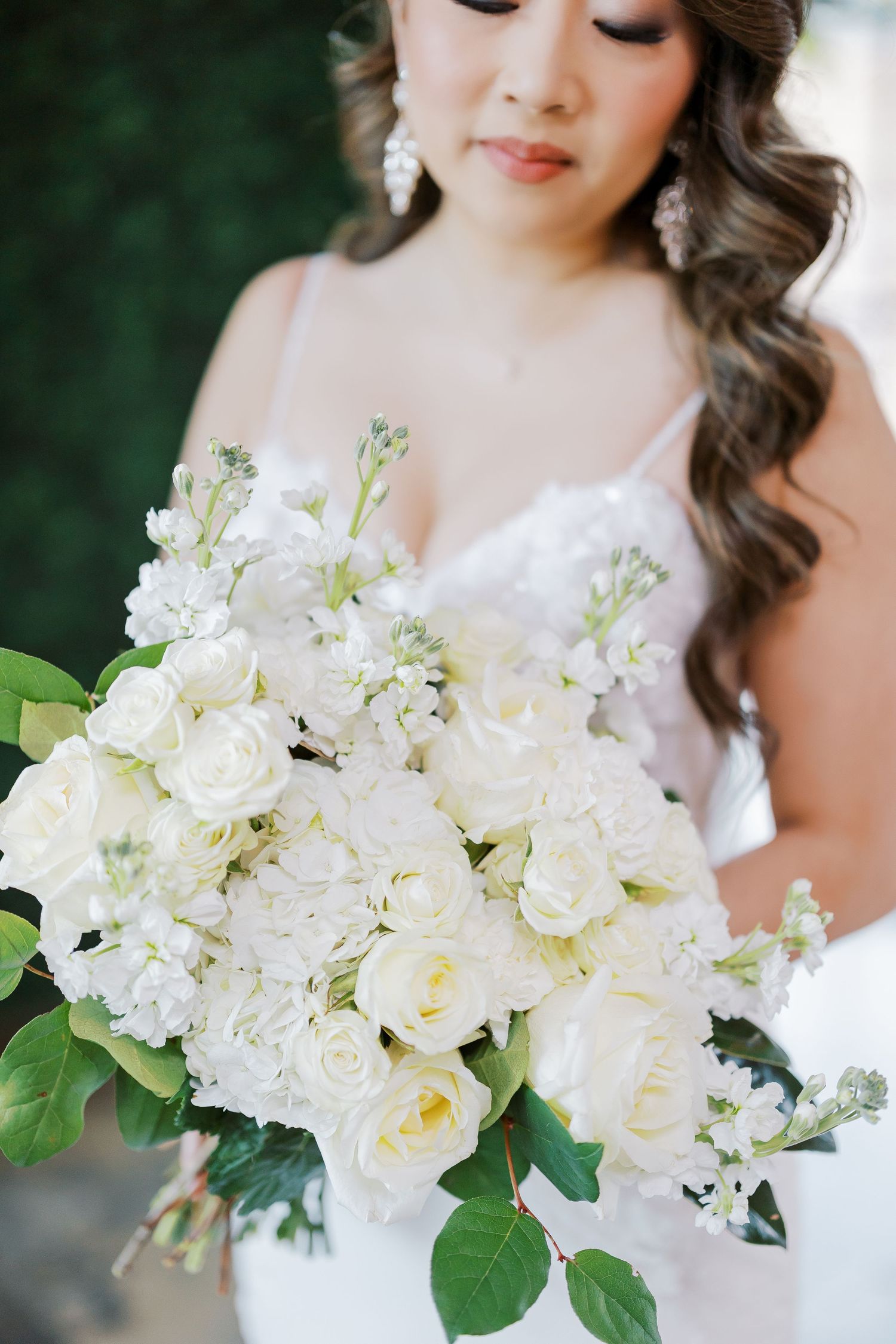
A wedding day feels steady when the preparation leading into it is thorough. Before the wedding, I take time to understand the flow of the day, the relationships that matter most, and the priorities you’ve shared.
This includes reviewing timelines, noting family dynamics, and planning portrait timing so decisions aren’t made under pressure. The goal is to arrive already informed, allowing the day to proceed without constant adjustment or interruption.
Direction Where It’s Needed
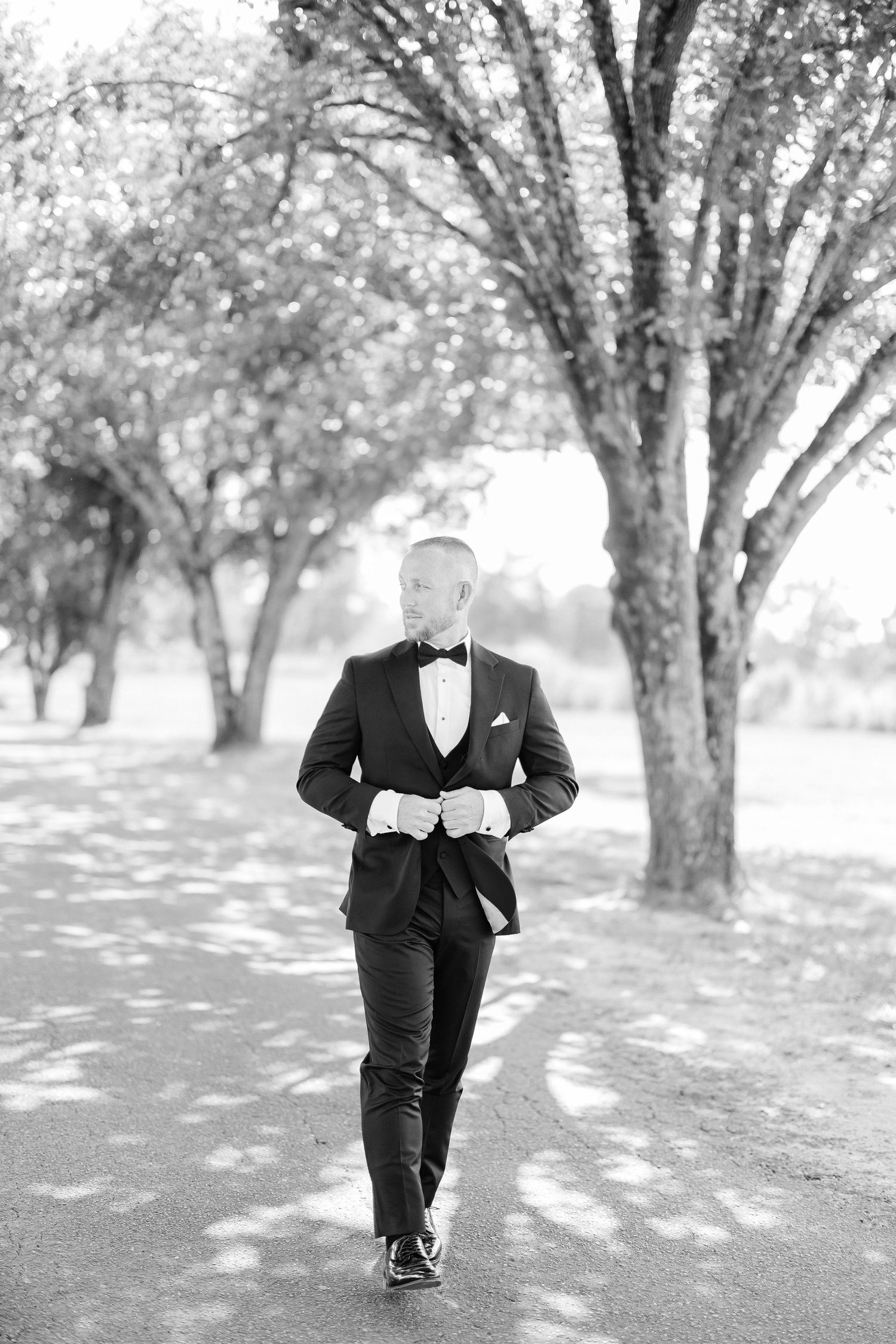
Certain parts of a wedding day benefit from clear direction. Portraits, family groupings, and transitions between events are handled with clarity and efficiency, so they feel organized without becoming rigid. I guide these moments calmly and with intention, keeping them concise and respectful of the time they require, so they support the day rather than compete with it.
Awareness Beyond the Schedule
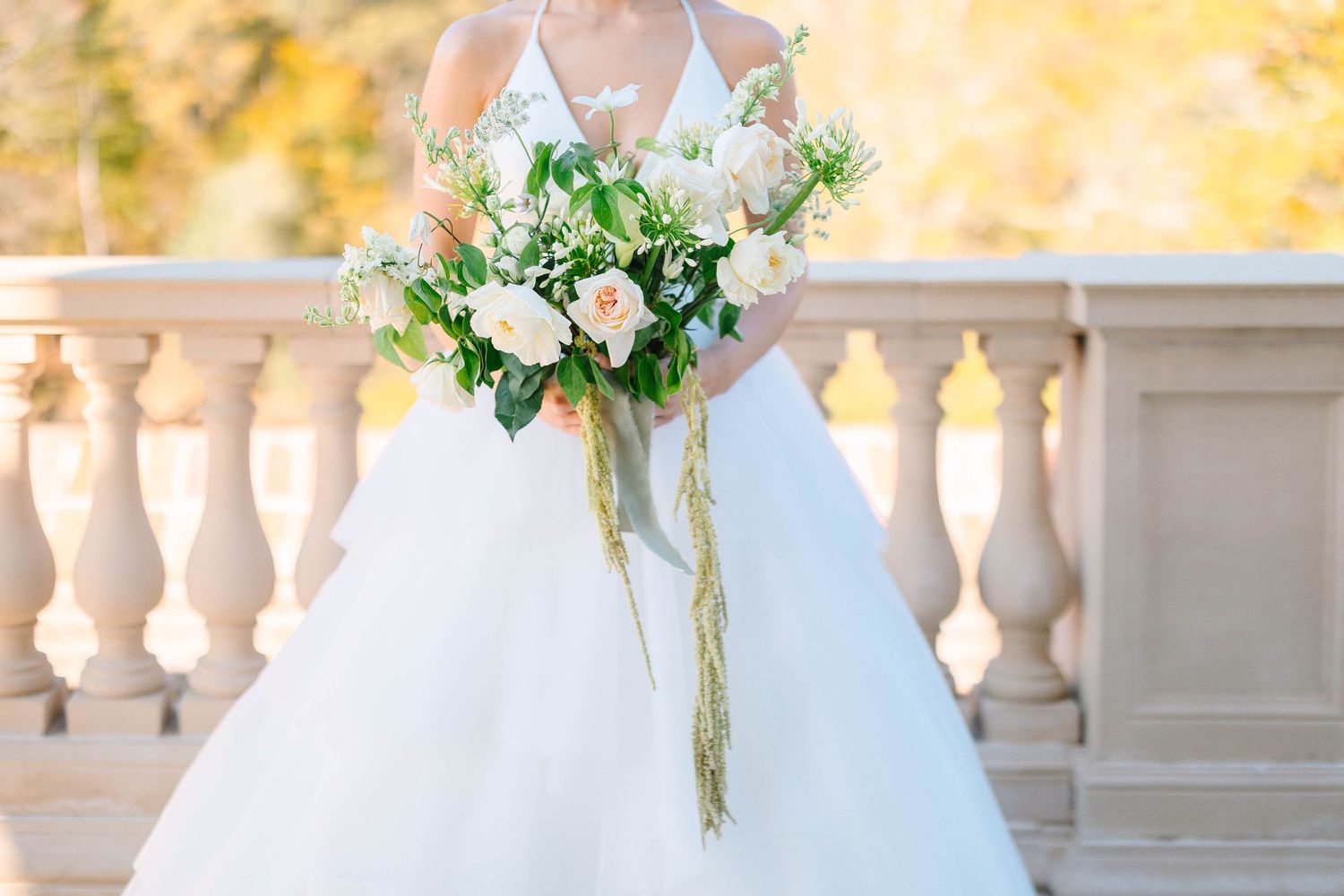
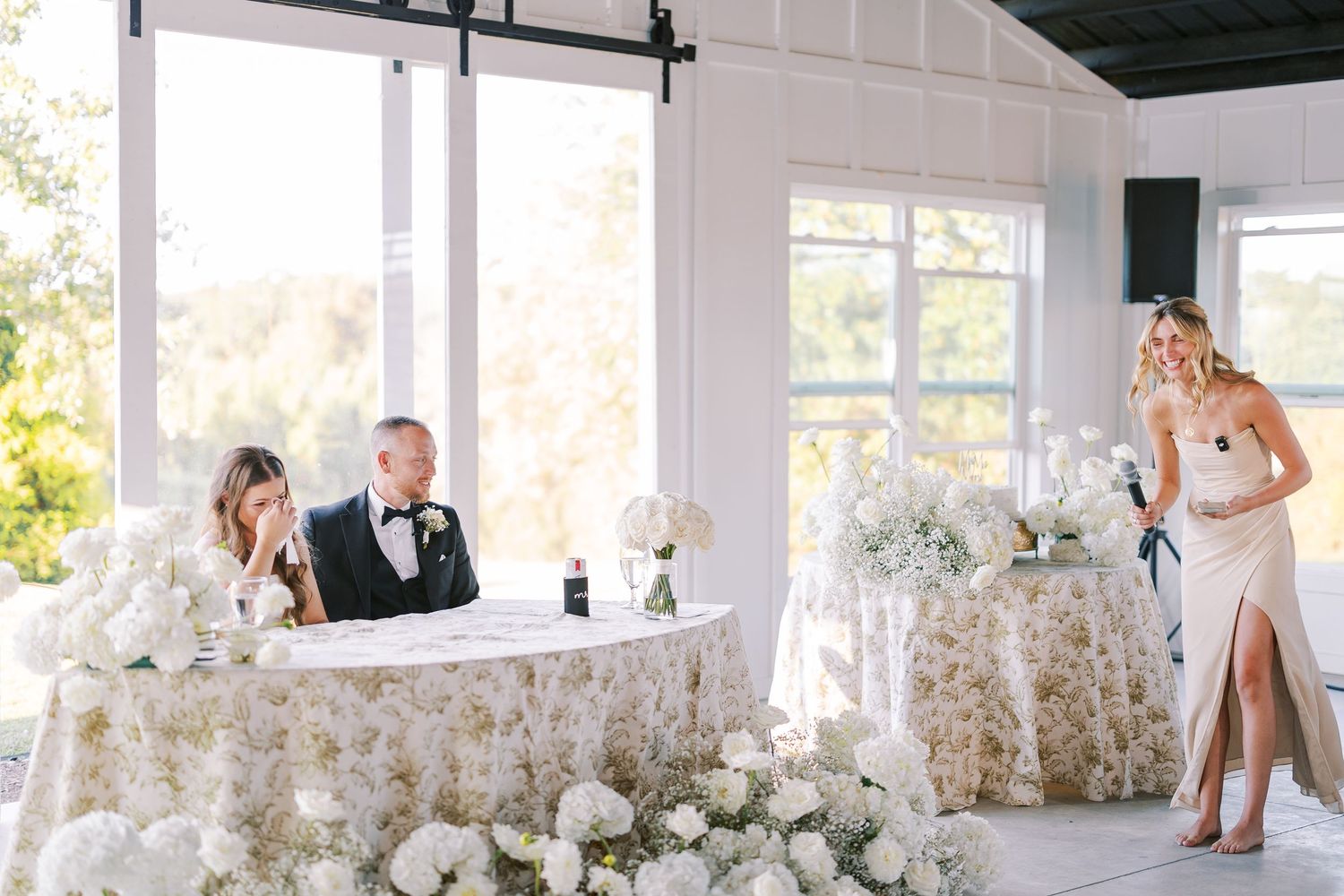
Outside of structured moments, my attention shifts to observation. I’m paying attention to how people interact, how a room changes after a ceremony, and what happens between scheduled events. These moments don’t need orchestration. They require awareness, timing, and restraint. Photographing them well means staying attentive without drawing focus to the camera or interrupting what’s already happening.
Wedding days rarely follow a timeline exactly as written. Some moments require efficiency and direction, while others benefit from time and discretion. I work with awareness of the schedule while remaining responsive to changes as they happen, making adjustments quietly so photography continues without creating unnecessary pressure.
A Process Shaped by Experience
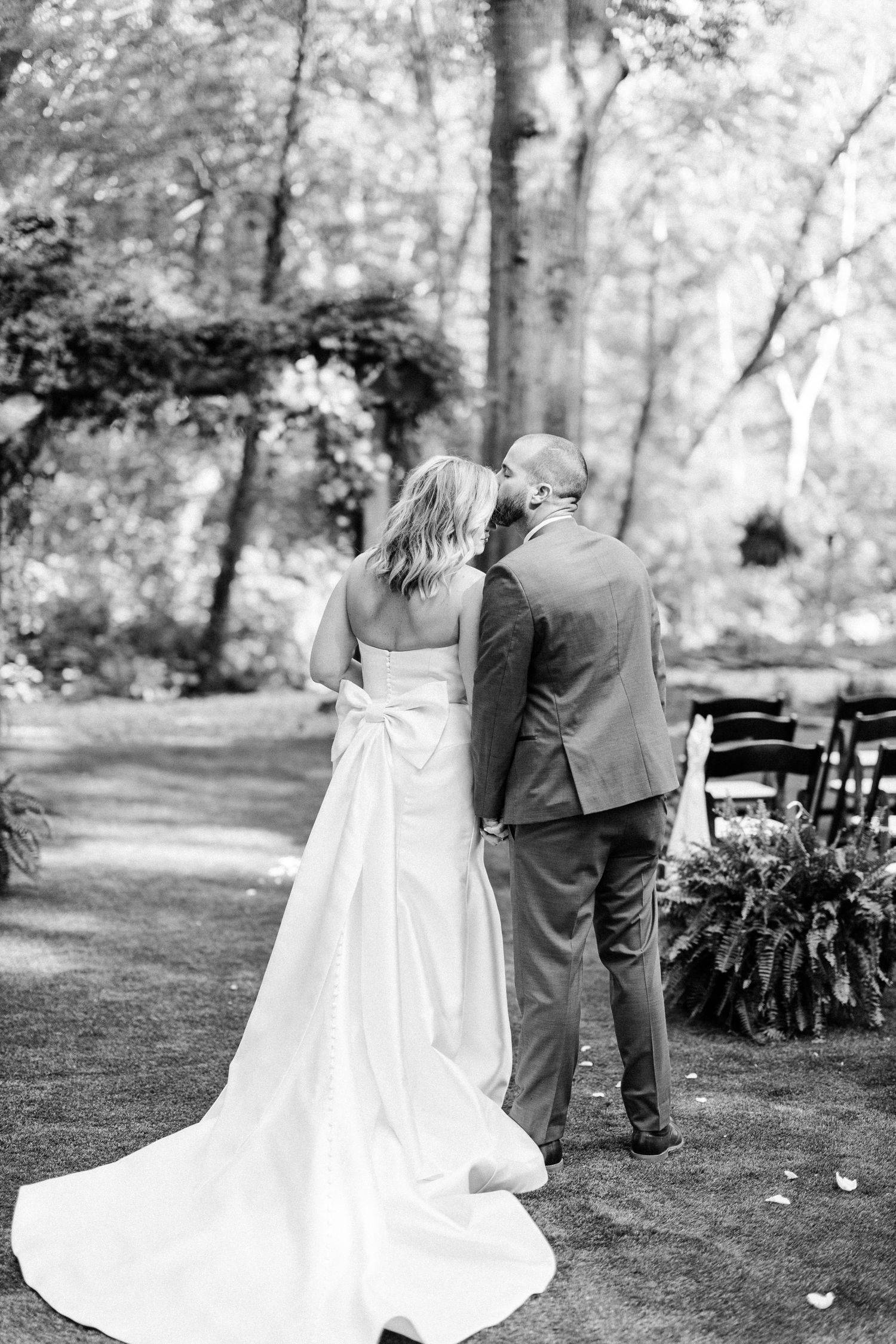
Many couples share that being photographed feels easier than they expected. There’s clarity when guidance is needed and freedom elsewhere to stay present with one another and with the people around them. That balance comes from experience—knowing when to step in and when to step back—so the day feels supported rather than managed.
My approach is shaped by more than a decade of professional work and a background photographing families long before weddings. That foundation taught me how to read people, anticipate moments, and work efficiently in emotionally significant settings. It informs how I work throughout a wedding day: prepared, observant, and composed.
What This Means for Your Photographs
The photographs are presented as a complete record of the day rather than a collection of individual highlights. The gallery reflects the full progression of the day, with each part given context and care so nothing feels disconnected or overstated. What remains is work that reads clearly from beginning to end.
Over time, this is what gives the photographs their staying power. They aren’t made to be consumed once and set aside, but to be returned to—years later, in different seasons of life—and still feel familiar and whole. What’s preserved is not a polished version of the day, but a record that holds together as memory, shaped by how the day was actually lived.